Wheel and Caliper Ceramic Coating for Brake Dust: Is It Worth It on Its Own?
Layering the two also means you get the self-healing behavior of the film underneath, since a properly formulated topcoat coating won't block the heat-activated healing response of the polyurethane layer beneath it. You're not choosing one property over the other. You're stacking them.
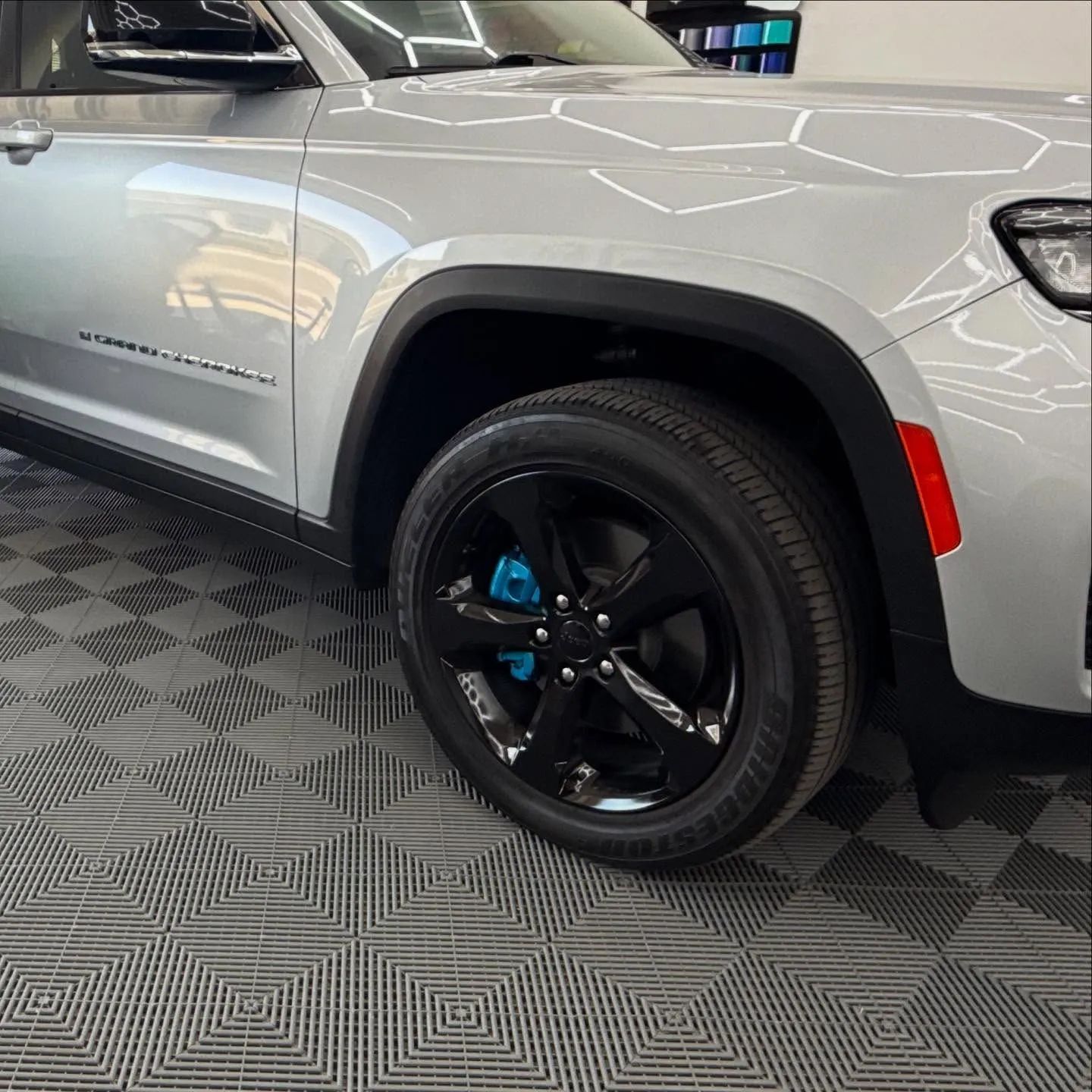
Quick Answer: Wheel and caliper ceramic coating is worth it for brake dust control on its own, because it changes how dust attaches to the wheel rather than just making it easier to see. A coated wheel gets a sealed, hydrophobic surface that keeps metallic brake particles from bonding into the clear coat, so what lands on the wheel mostly rinses off instead of baking in. An uncoated wheel has no such barrier, which is why the same dust that wipes off a coated finish in seconds can etch and discolor bare clear coat over a season of driving.
You notice it every time you glance down at a stoplight. The wheels went from showroom-clean to dusted in gray-black grime within a couple of days, and no amount of wiping with a rag gets it fully off anymore. That's brake dust doing what brake dust does, and if you've been putting off the wheel and caliper coating because it feels like an add-on rather than a real fix, it's worth understanding what that layer is actually protecting against before you decide it's not worth the trip in.
What Brake Dust Actually Does to a Bare Wheel
Brake dust isn't ordinary road dirt, and treating it like dirt is where most wheel finishes get into trouble.
It's Mostly Metal, Not Grime
Every time you brake, friction between the pad and rotor releases fine particles, mostly iron from the rotor, mixed with carbon and pad materials. This metallic residue feels gritty and can become corrosive.
Heat Is What Turns It Into A Problem
Brake particles leave the rotor hot and land on wheels heated by braking. That combination accelerates oxidation, causing metallic particles to react with the wheel surface instead of simply sitting loosely.
It Corrodes Before It Ever Looks Bad
Brake dust reacts electrochemically with the metal beneath the clear coat. Over time, this reaction can penetrate the finish and pit aluminum alloy. Once pitting develops, cleaning alone cannot restore the wheel.
That's the piece a lot of owners miss. The gray haze on your wheels after a week of driving isn't just an appearance issue you can get to eventually. It's an active corrosion process, and it gets harder to reverse the longer it sits.
But it's also one of the easier failure points on the car to head off, because the fix isn't more scrubbing. It's sealing the surface so the reaction never gets a foothold, which is exactly why wheels tend to look worse for their age than the paint does on the same car.
What Wheel and Caliper Ceramic Coating Actually Changes
A ceramic coating built for wheels isn't the same product, or the same job, as the coating that goes on your paint.
It Bonds Into The Surface, Not Onto It
Wax or spray sealant sits on top of the wheel and wears away quickly. Ceramic coating bonds with the clear coat, sealing microscopic pores so brake dust and grime cannot easily penetrate.
It's Formulated For The Heat A Wheel Actually Sees
Wheels and calipers experience intense heat from nearby brakes, so their coatings must withstand repeated thermal cycling. Wheel and caliper coatings are specifically formulated for this environment, rather than primarily targeting UV exposure.
The Surface Starts Actively Shedding Dust
Once cured, ceramic coating creates a slick, hydrophobic surface that helps water and contaminants slide away with minimal contact. Wheels stay cleaner longer and typically require less aggressive cleaning to remove brake dust.
How It's Different From Coating the Rest of the Car
If you've already had your paint ceramic coated, or you're weighing whether to do the wheels as part of that same visit, it helps to know these aren't really the same protection doing the same job in two places.
The Exposure Is Different
Your hood and roof face UV, oxidation, bird droppings, and occasional rock chips. Wheels also endure hot metallic particles generated nearby during braking. Paint coatings aren't engineered for that constant thermal and chemical exposure.
The Goal Is Different, Too
Paint coatings focus mainly on gloss retention and easier maintenance during years of sun exposure. Wheel and caliper coatings provide similar benefits while specifically targeting corrosive brake dust before it can bond and cause damage.
They Work Well Together, But Neither Substitutes For The Other
Coating your paint while leaving wheels unprotected exposes them to aggressive brake dust. Coating wheels while skipping paint leaves body panels vulnerable to sunlight and oxidation. Each coating protects its intended surface.
Tip: If you're already scheduling a paint ceramic coating, adding the wheels and calipers to the same visit means one prep and cure cycle instead of two separate trips, and it closes the gap on the one surface that collects the most punishment from daily driving.
What Actually Changes Day to Day: Coated vs Bare Wheels
This is where the "is it worth it" question gets answered in practical terms, because the difference shows up almost immediately after a coating cures.
Washing Gets Shorter, Not Just Easier
On a bare wheel, baked-on brake dust usually needs wheel cleaner, dwell time, and scrubbing. On a coated wheel, buildup mostly rinses away with water and a light wash mitt.
The Wheels Look Clean For Longer Between Washes
Because dust remains on top of a sealed surface instead of settling into open pores, coated wheels maintain their appearance longer. The coating cannot prevent dust from landing, but it prevents permanent bonding.
The Long-Term Condition Holds Up Differently
Bare wheels can develop scratches and corrosion from repeated aggressive cleaning. Coated wheels resist both because less scrubbing is needed, and their slick surface lets remaining contaminants release with less friction during maintenance.
Is It Worth Doing Just for the Brake Dust, or Should You Wait?
Here's the direct answer to the question in the title, broken down by situation.
It's worth it if you're tired of the maintenance cycle. If you find yourself pulling out a brake dust remover every week or two and still not getting the wheels fully clean, that's the exact problem the coating solves. You're trading a recurring chore for a one-time application that keeps paying off on every wash after.
It's worth it if your wheels already show early etching. Faint gray staining that doesn't fully wipe away, or a dull patch near the outer edge of the wheel where dust collects most, is early corrosion. Coating the wheel now protects whatever finish is left and stops the damage from spreading, even though it won't undo staining that's already set in.
It might not be urgent if your wheels are brand new and you're on top of washing.
If you're already rinsing brake dust off within a day or two of it appearing and the wheels still look factory-fresh, you have more flexibility on timing. The coating still makes sense long term, but there's less pressure to get it done immediately.
Warning: Don't assume a coated wheel means you can skip washing altogether. The coating changes how easily dust comes off, not whether it lands there in the first place. Left to sit for weeks at a time, even coated wheels will accumulate enough buildup that a normal rinse stops being enough, and you'll be back to scrubbing regardless of the coating underneath.
What the Process Actually Involves
Getting a wheel and caliper coating applied correctly is less about the product itself and more about what happens before it goes on.
Full decontamination first
Any existing brake dust, embedded grime, or old sealant residue has to come off the wheel before coating, since sealing dust into the surface defeats the entire purpose. That means a thorough clean and decontamination pass on every wheel, not just a quick rinse.
Surface correction where needed
Wheels with light oxidation or fine scratching typically get polished before coating, both to improve the final finish and to make sure the coating has a clean surface to bond to rather than bonding over existing damage.
Coating applied and cured
The ceramic product is applied in controlled layers and given time to cure before the wheel sees water or road use again. Rushing this step is one of the more common ways a coating underperforms, since the bond needs uninterrupted time to fully form.
Calipers coated separately
Calipers see even more direct heat than the wheel face itself, so they typically get their own coating pass suited to that higher thermal exposure, along with whatever finish option you've chosen for them.
Living With a Coated Wheel Going Forward
Once the coating has cured, the maintenance routine changes in your favor, but a few habits keep it performing the way it should.
Rinse Regularly, Even If It Looks Fine
A quick rinse every week or two prevents dust from building up enough to require scrubbing. On coated wheels, routine rinsing takes significantly less time and effort.
Skip Harsh Acid-Based Wheel Cleaners
Harsh acid-based cleaners dissolve baked-on brake dust but can also degrade ceramic coatings. A gentle, pH-neutral cleaner works effectively because coated wheels prevent dust from becoming deeply embedded.
Use A Soft Wash Mitt, Not A Stiff Brush
Coated wheels resist scratching, but stiff brushes can still create fine marring over time. Use a dedicated soft mitt or two-bucket wash method to maintain the surface.
Expect The Coating To Fade Gradually, Not Fail Suddenly
Ceramic coating performance gradually decreases throughout its lifespan rather than failing suddenly. When dust begins lingering longer between washes, consider reapplication instead of assuming something has gone wrong.
Frequently Asked Questions
Does wheel and caliper coating stop brake dust from forming?
No coating stops brake dust itself, since it's a natural byproduct of braking. What changes is what happens after: bare metal lets dust bond in, while a coated surface stays sealed and rinses off clean.
How long does a wheel and caliper coating typically last?
Most professional-grade coatings perform well for a couple of years under daily driving, though timelines shift with wash frequency, cleaning methods, and heat exposure. Regular, gentle washing helps it keep performing well for much longer.
Can I coat just the wheels and skip the calipers, or the other way around?
Either can be coated alone, but calipers face more direct heat and need a coating suited to that. Most owners do both together, though wheels usually take priority since they show the most visible dust.
Will coating my wheels fix staining that's already there?
A coating protects the finish going forward, but it won't reverse etching or staining already set in. Wheels with existing damage need polishing first, so the coating bonds to clean metal rather than trapping corrosion.
Does this replace the need to wash my wheels regularly?
No, washing is still necessary. Coating makes cleaning faster and gentler, since dust no longer bonds into the surface. Skip washes too long, though, and grime builds up enough that a coated wheel needs cleaning.
The Real Cost of Skipping Wheel Protection
Brake dust isn't just an appearance problem you can wipe away later. It's a corrosive process working against bare clear coat every time you drive, and the wheels usually show their age long before the paint does. A ceramic coating built specifically for wheels and calipers addresses that directly, sealing the surface so dust has nothing to bond into rather than getting a head start every week. On its own, without touching the rest of the car, that protection holds its own.
All God Auto
has spent 9+ years working on vehicles across Queen Creek, Arizona, and has seen how quickly untreated wheels lose their finish to heat and brake dust. That experience shapes how every wheel and caliper coating is prepared, corrected, and applied, matched to the conditions those surfaces face on local roads. A properly coated wheel keeps doing its job quietly in the background, holding its finish through season after season instead of giving in to a problem most owners never notice until it's too late.