Preserve the Perfection: How Vinyl Wrap Protection Film Extends the Life of Your Vehicle Wrap
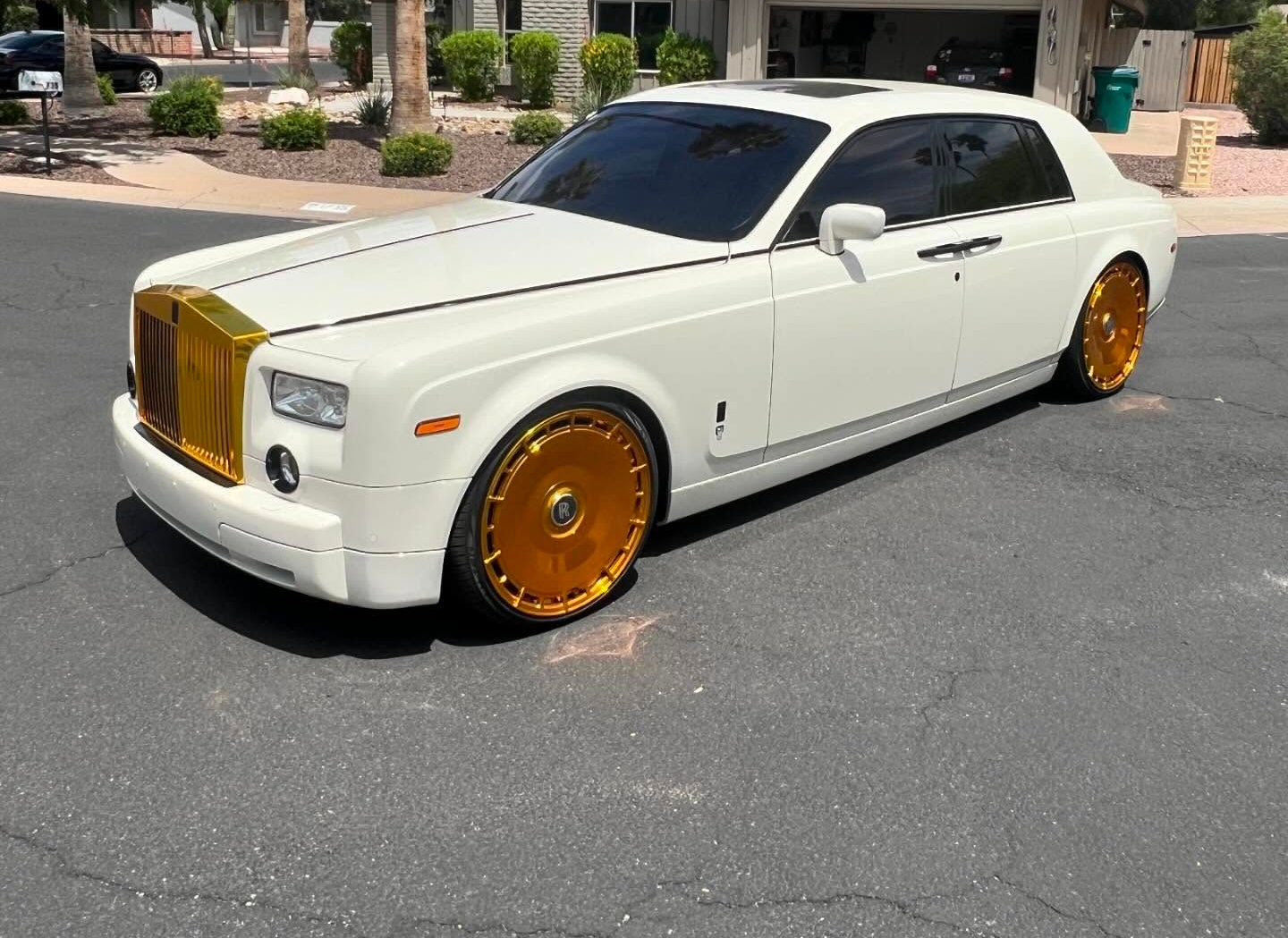
Vehicle wraps have become one of the most powerful tools in both personal customization and commercial branding. From fleet graphics to custom color changes, a high-quality vinyl wrap transforms a vehicle into a moving statement. But wraps are an investment, and like any investment, they need protection to deliver their full return.
This is where vinyl wrap protection film enters the picture. Also known as paint protection film or clear bra when applied over wraps, this transparent layer acts as a physical barrier between your wrap and the elements that threaten it daily. Road debris, UV rays, chemical contaminants, and surface abrasions are constant threats to wrap longevity. Without a protective layer, even the finest vinyl graphics can fade, peel, or scratch within a fraction of their intended lifespan.
Understanding how protection film works, why it matters, and how to apply it properly gives vehicle owners and businesses a real advantage. Whether you run a branded fleet or drive a custom-wrapped personal vehicle, this guide breaks down everything you need to know to keep your wrap looking sharp for years.
What Is Vinyl Wrap Protection Film and How Does It Work
The Basics of Protection Film
Vinyl wrap protection film is a thin, optically clear thermoplastic urethane (TPU) layer applied over an existing vehicle wrap. Unlike paint protection film applied directly to factory paint, this version is engineered specifically for vinyl surfaces, with adhesive formulations that bond cleanly without lifting or distorting the wrap graphics beneath.
The film works through a combination of physical toughness and self-healing chemistry. Modern protection films contain elastomeric polymers that allow the surface to absorb light impacts and minor scratches, then return to a smooth state with the application of heat, such as direct sunlight or warm water. This self-healing property is one of the most significant advances in film technology over the past decade.
What It Protects Against
Vinyl wrap protection film creates a barrier against:
| Threat | How Film Responds |
|---|---|
| Rock chips and road debris | Absorbs impact before it reaches the wrap surface |
| UV radiation | Blocks ultraviolet rays that cause fading and discoloration |
| Bird droppings and tree sap | Provides a non-porous surface that resists chemical etching |
| Washing and polishing abrasions | Prevents micro-scratches from contact during cleaning |
| Environmental fallout | Stops industrial particles and acid rain from penetrating the vinyl |
This multi-layered defense keeps the wrap beneath in original condition far longer than an unprotected surface would survive in real-world driving conditions.
Why Vehicle Wraps Need an Extra Layer of Defense
The Vulnerability of Vinyl Surfaces
Vinyl wraps, despite being designed for exterior use, are not impervious to damage. The material is flexible and adheres to contoured surfaces, but that same flexibility makes it susceptible to abrasion. Highways generate a constant stream of gravel, sand, and debris, and without a sacrificial top layer, that material contacts the wrap directly.
UV exposure is another major concern. Over time, ultraviolet radiation breaks down the pigments in vinyl ink and the film's own top coat, causing color shift and surface chalking. Cast vinyl wraps rated for five to seven years of outdoor exposure can lose that lifespan significantly faster when left unprotected in harsh sun climates like the American Southwest.
Real-World Scenarios Where Protection Film Makes a Difference
Consider a food delivery fleet operating daily across urban roads. The vehicles accumulate hundreds of miles per week, with constant exposure to road grit, fuel splatter, and harsh automatic car washes. Without protection film, graphic wraps on those vehicles typically show visible wear within eighteen months. With a quality protection film installed at the time of the wrap, the same graphics hold their appearance for three to four additional years.
For a business investing in full-vehicle branding, that difference translates directly into fewer reprint and reinstallation cycles, which means longer periods of consistent brand presence on the road.
Types of Vinyl Wrap Protection Film
Glossy vs. Matte Finish Films
Protection films come in two primary finishes, and the choice depends on the wrap beneath and the desired final appearance.
Glossy protection film enhances the depth and shine of gloss vinyl wraps. It adds a liquid-like clarity over printed graphics or solid color wraps, making colors appear more saturated. For commercial fleet graphics where brand color accuracy matters, glossy film is usually the preferred option.
Matte finish films serve a different purpose. Applied over satin or matte wraps, they preserve the flat, non-reflective appearance that those wraps are chosen for. Matte films also resist fingerprints and light smudging better than glossy surfaces, which makes them practical for vehicle doors and high-touch areas.
Partial vs. Full Coverage
Not every vehicle owner needs full-body protection film. A tiered approach is common and practical:
Partial coverage focuses on high-impact zones such as the front bumper, hood leading edge, side mirrors, door edges, and rocker panels. These areas absorb the most road debris and are the first to show wear. Applying protection film selectively to these zones provides meaningful defense without covering the entire vehicle.
Full coverage wraps every panel in protection film, providing uniform protection and a seamless appearance. This approach is best suited for high-value custom wraps, collector vehicles, or commercial fleets where appearance consistency across the entire surface is a priority.
Best Practices for Installing Protection Film Over a Wrap
Preparation Is Everything
The most critical step in a successful protection film installation is surface preparation. The wrap must be fully cured before film application. Freshly installed wraps need a minimum of 48 to 72 hours before protection film can be layered on top. Attempting to apply film over an uncured wrap risks trapping moisture and air, which creates lifting and bubbling.
The surface must also be clean at a microscopic level. Any contamination, including dust particles, fingerprints, or adhesive residue, becomes permanently visible beneath an optically clear film. Professional installers use isopropyl alcohol and lint-free materials to decontaminate the surface immediately before installation.
Installation Technique
Wrap protection film is installed wet using a slip solution, which allows repositioning before the adhesive sets. Panels are worked from the center outward using squeegees to eliminate water and air pockets. Edges are wrapped around panel boundaries or trimmed precisely at natural break lines like door seams and hood edges to ensure the film does not peel back from exposed ends.
Temperature matters during installation. Cold conditions make the film stiff and difficult to conform to compound curves, while extreme heat causes the adhesive to set too quickly. Most professional installations are performed indoors at controlled temperatures between 60 and 80 degrees Fahrenheit.
Maintaining a Wrap with Protection Film
Routine Care That Preserves Both Layers
One of the advantages of protection film over a wrap is simplified maintenance. The film's smooth, non-porous surface resists contamination more than bare vinyl, and most contaminants can be removed with a gentle hand wash using a pH-neutral soap.
Avoid high-pressure water jets aimed directly at film edges, as prolonged pressure can begin to lift the film at its termination points. Waterless wash sprays are safe for use over protection film and are a practical option between full washes.
What to Avoid
Abrasive compounds, wax products containing petroleum distillates, and solvent-based cleaners should never be used over protection film. These products can cloud the film, degrade the top coat, and in some cases cause the adhesive to break down. Stick to products specifically rated for use over TPU film.
Automated car washes with spinning brushes are another hazard. Brush contact at speed generates enough friction to scratch the film surface and can catch edges. Touchless automatic washes are acceptable, but hand washing remains the method that causes the least wear over time.
Experienced Specialists Committed to Wrap Protection Done Right
Vinyl wrap protection film is not an optional accessory. It is a fundamental part of preserving the appearance and lifespan of any vehicle wrap that operates in real-world conditions. From blocking UV damage and road debris to simplifying maintenance and preventing edge lifting, the film works as a silent guardian over the investment beneath it. Proper material selection, professional installation, and appropriate care routines are the three pillars that determine how well that protection holds up over time. Vehicles that receive this level of care simply last longer and look better doing it.
At All God Auto, we bring over 9 years of hands-on experience in custom vehicle wraps and graphics to every project we take on in Queen Creek, Arizona, and the surrounding region. We understand that a wrap is more than a surface treatment. It is a representation of identity, brand, and craftsmanship. That is why we approach every installation with precision, from the initial surface preparation through the final inspection of every seam and edge. Our work with
vinyl wrap protection film is guided by the same standards we apply to the wraps themselves. We use industry-leading materials, controlled installation environments, and proven techniques to ensure that what we build together holds up. When you trust us with your vehicle, we treat it with the care it deserves.
Frequently Asked Questions
Can protection film be applied over any type of vehicle wrap?
Yes, protection film is compatible with cast and calendered vinyl wraps, including printed graphics, color change films, and specialty finishes like chrome or metallic. The wrap should be fully cured before film application.
How long does vinyl wrap protection film last?
Most high-quality protection films carry warranties of five to ten years, depending on the brand and climate conditions. In high-UV environments, film at the upper end of that range requires consistent maintenance to reach its full rated lifespan.
Does protection film change the appearance of the wrap beneath?
Glossy protection film adds a slight enhancement to color depth and shine. Matte film preserves the flat appearance of satin and matte wraps. In both cases, when properly installed, the film should be visually seamless.
Can protection film be removed without damaging the wrap?
Yes, when removed by a trained installer using proper heat and peel techniques, protection film lifts cleanly from the wrap surface without leaving adhesive residue or causing delamination, provided the wrap itself is in good condition.
Is protection film worth applying to a partial wrap or spot graphics?
Absolutely. Spot graphics on doors, tailgates, and hoods benefit from protection film applied over the graphic area and extending slightly beyond its edges. This seals the graphic edges and prevents lifting from road debris and washing.