Beat the Heat: How UV & Heat Rejection Films Protect You and Your Car’s Interior
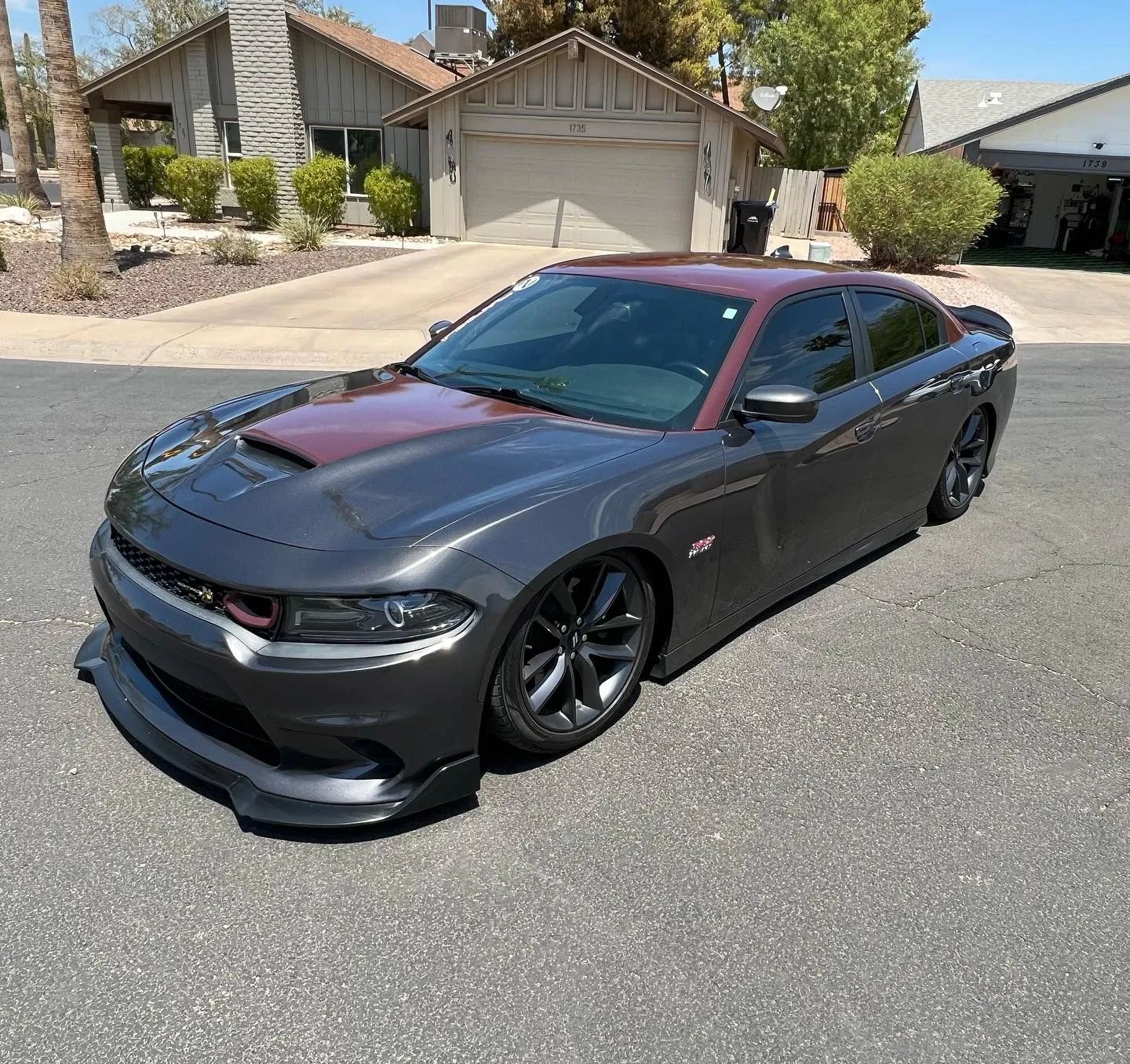
Extreme heat and intense UV radiation have become everyday challenges for vehicle owners, especially in regions where sunlight exposure remains high throughout the year. Cars parked outdoors quickly turn into heat traps, causing uncomfortable interiors, accelerated material degradation, and increased reliance on air conditioning systems. Over time, this not only affects driving comfort but also leads to long-term wear on dashboards, upholstery, and electronic components. As automotive care evolves, protective solutions that go beyond traditional sunshades and tinting are gaining strong relevance in the industry.
Among these advanced solutions, UV & heat rejection films have emerged as a highly effective protective layer for vehicles. Designed to block harmful ultraviolet rays and significantly reduce infrared heat penetration, these films enhance driving comfort while preserving interior quality. Unlike conventional window tints, modern films are engineered with multi-layered technology that balances visibility, aesthetics, and performance. This makes them a practical upgrade for both daily commuters and long-distance drivers seeking consistent cabin comfort.
With rising awareness about vehicle longevity and energy efficiency, heat rejection technology is no longer a luxury but a necessity. Understanding how these films function and the benefits they offer helps vehicle owners make informed decisions that directly impact comfort, safety, and long-term maintenance costs.
Understanding UV & Heat Rejection Film Technology
How Heat Rejection Films Work
UV & heat rejection films are engineered using nano-ceramic or multi-layer polyester technology. These layers filter sunlight by blocking infrared heat while allowing visible light to pass through. This reduces cabin temperature effectively without affecting driving visibility or overall road safety inside the vehicle.
UV Protection Mechanism
Ultraviolet rays cause fading, cracking, and long-term interior damage. High-quality films block up to 99% of UV radiation, protecting leather seats, dashboards, and trims. This barrier preserves original material quality and helps maintain a clean, factory-fresh interior appearance for a significantly longer period.
Infrared Heat Reduction
Infrared radiation is the primary reason for excessive cabin heat buildup. Heat rejection films reflect and absorb IR rays before they enter the glass surface. This minimizes greenhouse effects inside the vehicle, ensuring a noticeably cooler and more comfortable driving environment even during extreme heat conditions.
Difference Between Standard Tint and Heat Rejection Film
Standard tint mainly reduces glare and improves privacy but offers limited heat control. Heat rejection films use advanced coatings designed to actively reduce temperature buildup. This results in better climate control, improved energy efficiency, and enhanced long-term comfort for drivers and passengers alike.
Key Benefits of UV & Heat Rejection Films
Enhanced Driving Comfort
- Reduced Cabin Temperature
Heat rejection films significantly lower interior temperatures by blocking solar radiation. This creates a cooler environment during peak summer conditions, reducing discomfort and making every drive more manageable and enjoyable for occupants even after long parking durations under direct sunlight exposure.
- Less Dependence on Air Conditioning
With reduced heat entering the cabin, reliance on air conditioning decreases noticeably. This leads to improved fuel efficiency and less strain on the vehicle’s cooling system, ultimately enhancing mechanical longevity while maintaining consistent comfort levels throughout daily driving conditions.
Interior Protection and Longevity
- Prevention of Fading and Cracking
Continuous UV exposure weakens interior materials over time, leading to fading and cracking. Protective films reduce this damage by blocking harmful rays, helping preserve dashboards, seats, and trims in better condition and extending the overall lifespan of interior components significantly.
- Preservation of Resale Value
A well-maintained interior strongly influences vehicle resale value. Heat rejection films help maintain visual appeal and material integrity, making the vehicle more attractive to buyers who prioritize clean, damage-free, and well-preserved cabin conditions during purchase decisions in competitive markets.
Safety and Glare Reduction
- Improved Visibility
Glare from sunlight and headlights can reduce driving clarity and reaction time. Heat rejection films minimize excessive brightness, improving visibility and allowing drivers to maintain better control, especially during early morning, sunset, or high-intensity daylight driving situations on busy roads.
- Reduced Driver Fatigue
Consistent light and temperature conditions inside the cabin reduce eye strain and physical fatigue. This allows drivers to stay more alert and focused during long journeys, improving overall safety and comfort while reducing stress associated with prolonged exposure to harsh sunlight.
Energy Efficiency Benefits
- Lower Fuel Consumption
Reduced heat buildup lowers dependency on air conditioning systems. This directly contributes to better fuel efficiency, especially in urban stop-and-go traffic, where AC usage typically increases engine load and overall fuel consumption during daily driving routines in hot climates.
- Balanced Cabin Climate
Heat rejection films help maintain a stable internal temperature by minimizing sudden heat fluctuations. This creates a more balanced and comfortable cabin environment, ensuring consistent comfort for both drivers and passengers regardless of external weather conditions or parking exposure duration.
Real-World Applications and Practical Scenarios
Daily Urban Commuting
City driving often involves long parking hours under direct sunlight. Heat rejection films reduce cabin heat buildup, allowing drivers to enter a more comfortable vehicle. This improves daily commuting experience, reduces discomfort, and minimizes reliance on cooling systems immediately after starting.
Long Highway Drives
Extended highway journeys expose vehicles to continuous sunlight and heat. Heat rejection films reduce glare and maintain cooler interiors, helping drivers stay focused and less fatigued. This enhances comfort and safety, especially during long-distance travel in bright daytime conditions.
Parked Vehicle Protection
Even short parking durations can cause rapid heat accumulation inside vehicles. Heat rejection films act as a protective barrier, limiting temperature rise and safeguarding sensitive electronic components, upholstery, and dashboard materials from heat-related stress and long-term damage effects.
Commercial and Fleet Vehicles
Fleet vehicles such as taxis and delivery vans operate for long hours daily. Heat rejection films improve driver comfort, reduce downtime caused by overheating interiors, and support consistent operational efficiency, making them a practical investment for commercial transportation environments and services.
Extreme Climate Conditions
Regions with intense sunlight experience faster interior wear and tear. Heat rejection films provide essential protection against UV and infrared exposure, ensuring long-term durability of vehicle interiors and maintaining comfort even under consistently harsh environmental and temperature conditions throughout the year.
Installation Considerations and Best Practices
Choosing the Right Film Type
- Nano-Ceramic Films
Nano-ceramic films offer superior heat rejection and clarity without interfering with electronic signals. Their advanced composition ensures long-lasting durability, high performance, and excellent visibility, making them ideal for drivers seeking premium protection and comfort in extreme heat conditions.
- Hybrid Films
Hybrid films combine dyed and metallic layers to balance affordability and performance. They provide moderate heat rejection and aesthetic enhancement, making them suitable for users seeking cost-effective solutions without compromising essential comfort and interior protection benefits in everyday driving scenarios.
Professional Installation Importance
Proper installation ensures smooth application, strong adhesion, and bubble-free finish. Poor installation can reduce performance and cause peeling or visibility issues. Skilled application guarantees maximum efficiency, durability, and long-term effectiveness of heat rejection films under varying environmental conditions.
Legal and Compliance Factors
Different regions enforce regulations on visible light transmission levels for vehicle films. Ensuring compliance prevents legal issues and fines while maintaining road safety standards. Proper selection of film shade and specifications is essential for lawful and safe usage.
Maintenance and Care Tips
- Cleaning Methods
Regular cleaning with soft microfiber cloths and non-abrasive cleaners helps maintain clarity and performance. Gentle care prevents scratches, preserves optical quality, and ensures long-term effectiveness of heat rejection films without damaging protective surface layers over time.
- Avoiding Harsh Chemicals
Strong solvents and abrasive cleaning agents can damage film coatings. Using mild, approved cleaning solutions helps maintain structural integrity, ensuring long-lasting performance and preventing premature wear or degradation of heat rejection film layers on vehicle windows.
Common Mistakes to Avoid
- Ignoring Quality Standards
Low-quality films may appear cost-effective initially but degrade quickly under heat exposure. Investing in high-grade materials ensures durability, consistent performance, and better long-term protection against UV and infrared damage affecting vehicle interiors over time.
- Improper Curing Time
Skipping proper curing time after installation weakens film adhesion. Allowing sufficient curing ensures strong bonding, prevents bubbling, and guarantees optimal performance, ensuring the heat rejection film functions effectively under varying temperature conditions and environmental exposure levels.
Expert Approach Ensuring Superior Automotive Interior Defense
UV & heat rejection films offer a practical and highly effective solution to one of the most persistent challenges faced by vehicle owners—excessive heat and UV exposure. By reducing infrared radiation and blocking harmful ultraviolet rays, these films improve cabin comfort, protect interior materials, and enhance overall driving safety. Their ability to balance visibility with thermal control makes them a valuable upgrade for modern vehicles operating in diverse climate conditions. Beyond comfort, these films also contribute to long-term cost savings by reducing air conditioning load and preserving interior quality.
All God Auto operates as a trusted name in custom vehicle wraps & graphics, based in Queen Creek, Arizona, with over 9 years of industry experience. Every project is handled with a commitment to durability, visual excellence, and functional performance. The approach focuses on delivering solutions that not only enhance appearance but also improve driving comfort and protect vehicle investments from environmental stress.
Attention to detail, use of high-grade materials, and precision-driven installation methods ensure consistent results across all vehicle types. From daily drivers to specialty builds, each application is designed to meet both aesthetic and protective requirements. Clients benefit from a combination of technical expertise and practical application knowledge that ensures long-lasting performance. With a reputation built on reliability and craftsmanship, All God Auto
continues to serve as a dependable choice for vehicle owners seeking advanced protection and custom styling solutions that stand the test of time.