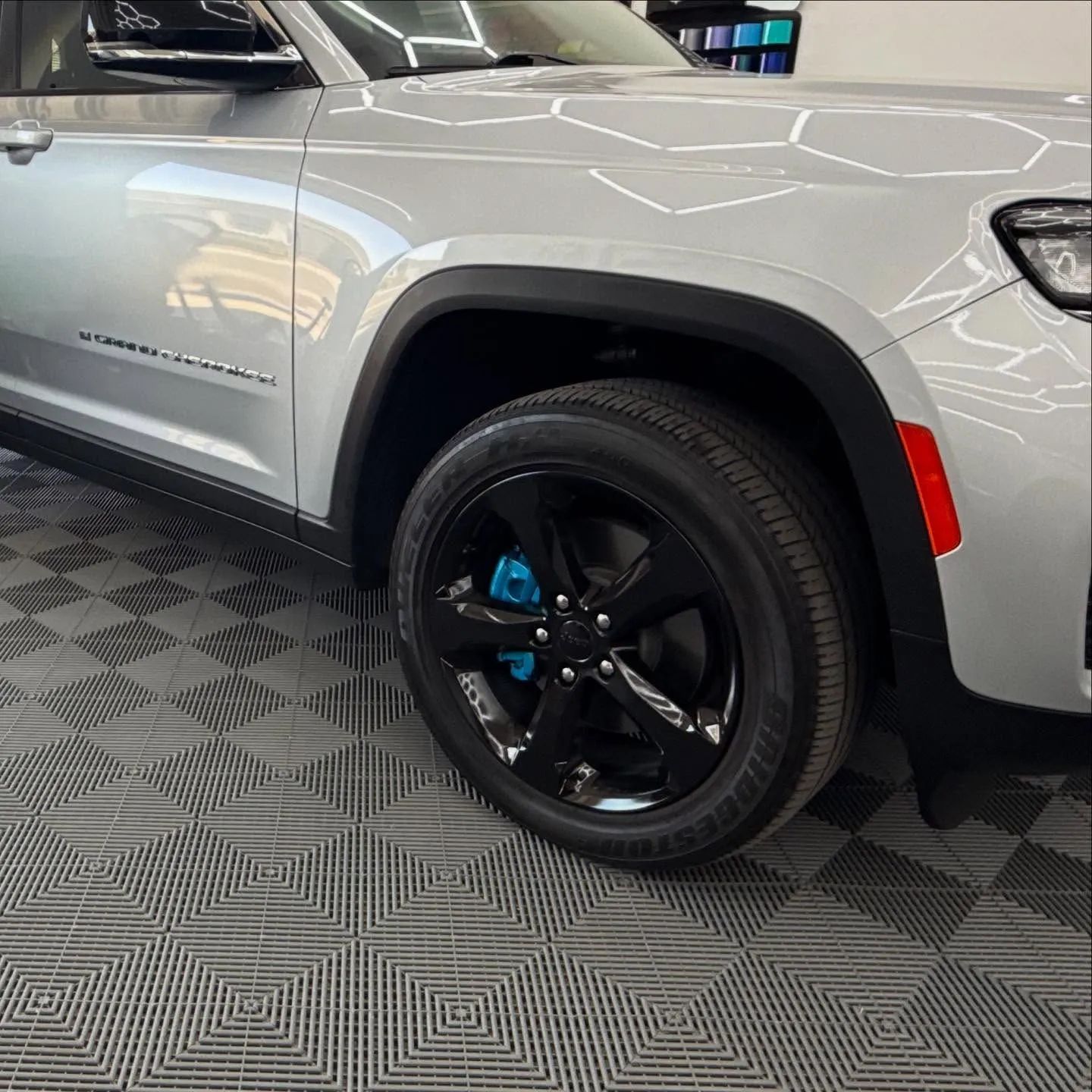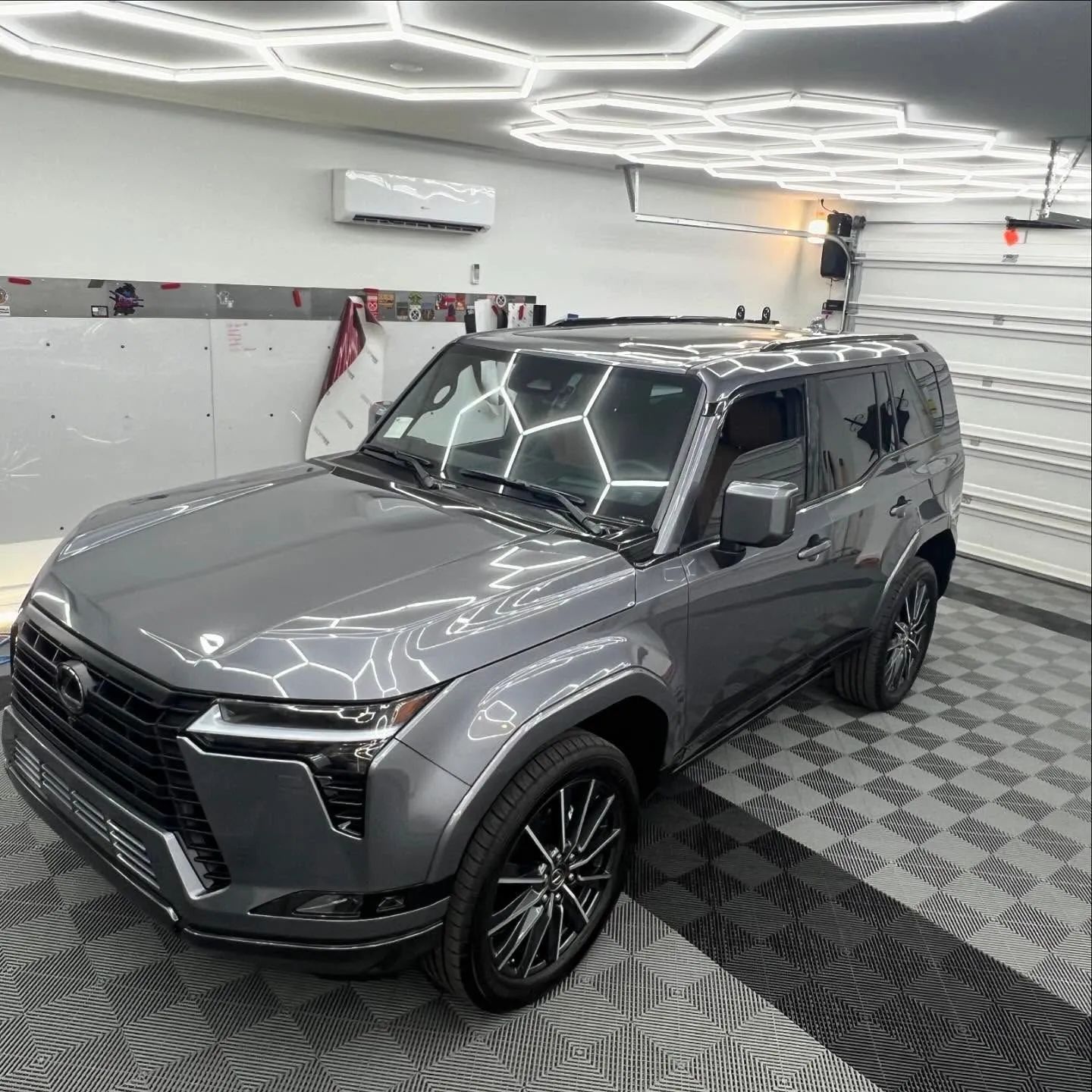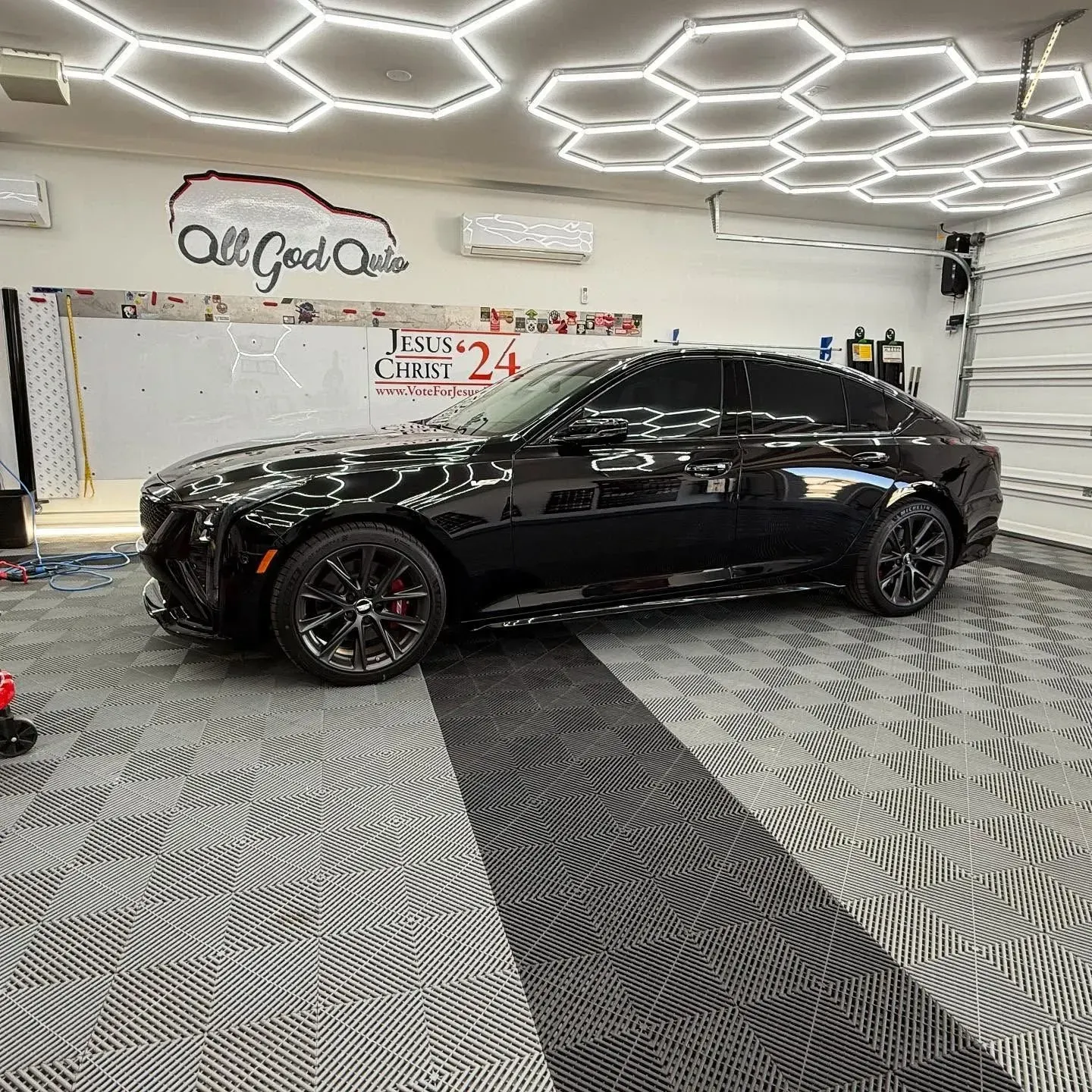
The Ultimate Shield: Why Ceramic Coating Is a Game-Changer for Long-Lasting Vehicle Protection
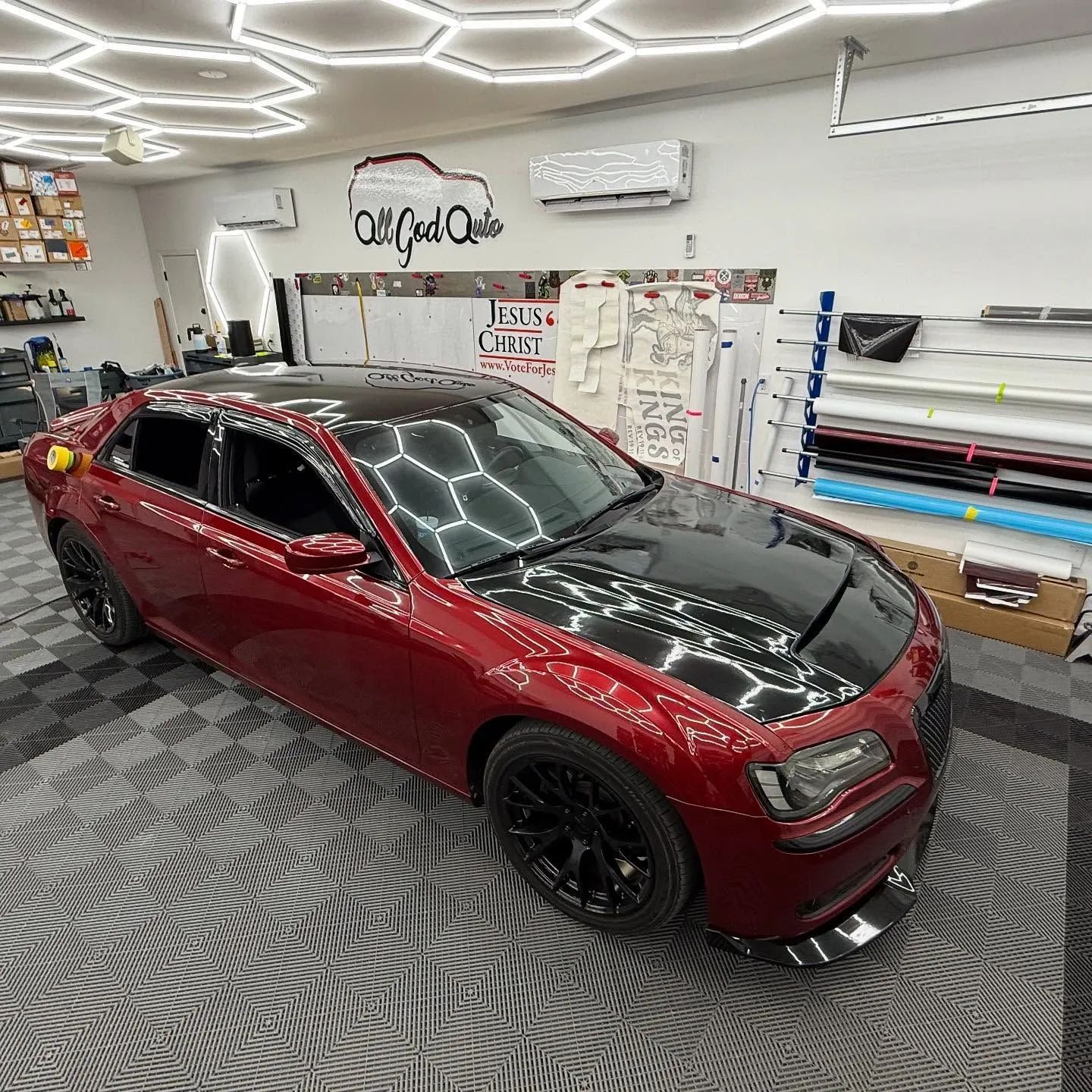
Modern vehicles face constant exposure to harsh environmental conditions that gradually damage exterior surfaces and reduce long-term value. From intense UV rays and acid rain to road salt, bird droppings, dirt, and oxidation, every drive introduces new threats to automotive paint. Traditional waxing methods may offer temporary shine, but they often fail to provide lasting protection against daily wear and contamination. As vehicle owners increasingly seek advanced solutions that combine aesthetics with durability, ceramic coating has emerged as one of the most effective investments in automotive care. Its growing popularity reflects a major shift toward long-term surface preservation and easier vehicle maintenance.
Ceramic coating technology creates a protective layer that bonds with a vehicle’s paint, forming a durable shield designed to resist environmental damage while maintaining a glossy finish. Unlike conventional products that wear away quickly, ceramic coatings offer extended protection and enhanced resilience. Automotive professionals and car enthusiasts alike recognize the value of this advanced solution because it improves appearance, simplifies cleaning, and helps preserve resale value over time. Understanding how
ceramic coating works and why it outperforms traditional paint protection methods helps vehicle owners make informed decisions about long-term automotive maintenance and exterior preservation.
Understanding What Ceramic Coating Actually Does
A Protective Layer Designed for Modern Vehicles
Ceramic coating is a liquid polymer solution applied to a vehicle’s exterior surfaces to create a semi-permanent protective layer. Once cured, the coating chemically bonds with the factory paint, forming a hydrophobic barrier that resists contaminants, moisture, and environmental damage. Unlike waxes or sealants that sit on the surface temporarily, ceramic coatings integrate with the paint structure for stronger and longer-lasting protection.
Modern vehicles feature sophisticated paint systems that require advanced care. Daily exposure to UV radiation, airborne pollutants, bug residue, tree sap, and road grime can slowly deteriorate the clear coat. Ceramic coating helps reduce direct contact between contaminants and the paint surface, minimizing long-term wear.
How Hydrophobic Technology Improves Maintenance
One of the most recognized benefits of ceramic coating is its hydrophobic behavior. Water beads and rolls off the surface more easily, carrying dirt and debris away instead of allowing contaminants to stick aggressively to the paint. This reduces the effort required during regular washing while helping maintain a cleaner appearance between washes.
For drivers in regions with heavy rain, dust storms, or intense sunlight, hydrophobic protection becomes especially valuable. Vehicles coated with ceramic products typically retain a glossy finish longer and require fewer aggressive cleaning methods that could otherwise introduce scratches or swirl marks.
Why Ceramic Coating Differs From Waxing
Traditional car wax provides short-term shine and mild protection, but it usually breaks down within weeks or months. Ceramic coatings are engineered for much greater durability and resistance. While wax can melt or degrade under heat and frequent washing, ceramic coatings maintain stability under more demanding conditions.
Vehicle owners who previously relied on repeated waxing often switch to ceramic coating because it offers a more consistent level of protection with less ongoing maintenance. The transition reflects a growing preference for long-term efficiency and reliable paint preservation.
The Long-Term Benefits of Ceramic Coating
Preserving Paint Quality and Vehicle Appearance
Vehicle paint plays a major role in both aesthetics and resale value. Fading, oxidation, and surface damage can significantly reduce a vehicle’s appeal over time. Ceramic coating helps preserve paint depth, gloss, and clarity by shielding the exterior from environmental exposure.
UV protection is particularly important in areas with intense sun exposure. Prolonged sunlight can oxidize paint and cause fading, especially on darker-colored vehicles. Ceramic coatings act as a defensive barrier that minimizes UV penetration and helps maintain a richer appearance.
Reducing the Risk of Minor Surface Damage
Although ceramic coating is not completely scratch-proof, it does provide an additional layer of resistance against minor abrasions and swirl marks. Improper washing techniques, dirty towels, and airborne debris frequently create microscopic scratches that dull a vehicle’s finish. The hardened coating layer helps reduce the severity of these imperfections.
Drivers who invest in ceramic protection often notice that their vehicles maintain a smoother and glossier appearance even after years of use. This contributes to improved long-term ownership satisfaction and reduced paint correction costs.
Improving Resale and Trade-In Value
A well-maintained exterior significantly impacts resale value. Buyers typically associate clean, glossy paint with responsible vehicle ownership and better overall maintenance. Ceramic-coated vehicles often appear newer for longer periods because the protective layer minimizes visible aging.
Lowering Ongoing Maintenance Costs
Frequent detailing, polishing, and waxing can become time-consuming and expensive. Ceramic coating reduces the need for repeated protective treatments while simplifying routine maintenance. Because contaminants adhere less aggressively to coated surfaces, washing requires less scrubbing and fewer harsh chemicals.
Real-World Challenges Vehicles Face Every Day
Environmental Contaminants and Pollution
Vehicles encounter countless contaminants during normal operation. Industrial fallout, brake dust, road tar, bird droppings, bug residue, and acid rain can all damage paint if left untreated. Some contaminants are acidic enough to etch into the clear coat permanently.
Ceramic coating provides a defensive barrier that slows contamination buildup and reduces direct paint exposure. While immediate cleaning is still recommended for corrosive materials, coated surfaces are generally easier to restore and maintain.
Extreme Weather Conditions and Seasonal Damage
Weather conditions vary dramatically throughout the year, and each season introduces unique risks. Summer heat and UV radiation contribute to fading and oxidation, while winter road salt accelerates corrosion and surface deterioration. Heavy rain can leave mineral deposits and water spots that damage untreated paint.
Ceramic coatings help vehicles withstand these seasonal challenges more effectively. Drivers in desert climates benefit from enhanced UV resistance, while those in colder regions gain additional protection against moisture and road salt.
Everyday Wear From Driving and Parking
Even careful drivers cannot fully avoid environmental exposure. Parking beneath trees may lead to sap buildup and bird droppings, while highway driving exposes paint to rock chips, dust, and insects. Urban environments also increase exposure to airborne pollution and construction debris.
Although ceramic coating does not eliminate all risks, it provides a stronger first line of defense. Vehicles exposed to demanding daily conditions generally retain better visual condition when protected with high-quality coatings.
The Growing Importance of Preventative Vehicle Care
Modern automotive maintenance increasingly focuses on prevention rather than repair. Vehicle owners recognize that preserving exterior condition early can help avoid expensive restoration services later. Ceramic coating aligns perfectly with this preventative maintenance philosophy.
Protective coatings are no longer viewed as luxury-only upgrades. Many everyday drivers now prioritize paint preservation because vehicles represent substantial financial investments. Protecting that investment from gradual deterioration makes practical and economic sense.
Why Ceramic Coating Continues Transforming the Automotive Industry
Rising Consumer Demand for Long-Term Solutions
Automotive consumers increasingly prefer durable, low-maintenance solutions that provide measurable value over time. Ceramic coating satisfies this demand by combining protection, aesthetics, and efficiency into one service. The industry’s rapid adoption reflects growing awareness about the importance of preserving automotive finishes.
Vehicle owners now view exterior protection as part of comprehensive automotive maintenance rather than an optional cosmetic upgrade. This mindset shift has elevated ceramic coating from a niche detailing service into a mainstream protective solution.
Enhanced Appearance Supports Personal and Business Branding
Vehicles often represent personal pride or business identity. Clean, glossy exteriors create strong impressions and reflect attention to detail. Commercial fleets, luxury vehicles, and custom-wrapped cars especially benefit from consistent appearance maintenance.
Ceramic coating helps preserve visual impact by maintaining clarity, shine, and cleanliness for extended periods. Businesses that rely on branded vehicles understand the importance of protecting graphics, paint, and presentation quality.
Innovation Continues Improving Coating Technology
Ceramic coating technology continues evolving as manufacturers develop stronger, more flexible, and longer-lasting formulas. New advancements improve chemical resistance, water repellency, gloss retention, and durability. Some coatings now include self-cleaning properties or enhanced resistance to harsh environmental exposure.
As innovation progresses, ceramic coatings are becoming more accessible across different vehicle categories and ownership needs. Improved performance and broader awareness continue driving industry growth.
A Smart Investment for Modern Vehicle Ownership
Vehicle ownership costs continue rising, making long-term preservation increasingly important. Repainting, paint correction, and extensive detailing services can become expensive over time. Ceramic coating provides preventative protection that helps reduce future restoration needs.
Drivers seeking long-lasting appearance, easier maintenance, and improved resale value often view ceramic coating as a strategic investment rather than a luxury expense. The combination of practicality and visual enhancement explains why ceramic coating remains one of the fastest-growing automotive protection solutions available today.
Experienced Vehicle Enhancement Specialists Delivering Superior Protection
When vehicle owners want dependable protection combined with exceptional visual enhancement, working with experienced automotive specialists becomes essential. At All God Auto, we provide advanced solutions designed to help vehicles maintain long-lasting beauty, durability, and professional presentation. As a trusted name in Custom Vehicle Wraps & Graphics in Queen Creek, Arizona, our experience allows us to deliver high-quality workmanship focused on protection, precision, and customer satisfaction. With more than 9 years of industry expertise, we understand how exterior preservation directly impacts appearance, value, and long-term performance.
Our commitment to quality extends beyond aesthetics because every vehicle deserves protection that supports lasting results in demanding environments. Whether preserving custom graphics, enhancing paint durability, or maintaining a polished finish, we focus on solutions tailored to modern vehicle care standards. We combine attention to detail, professional-grade materials, and proven installation practices to help maximize vehicle protection and visual impact. Drivers looking for reliable automotive enhancement solutions can trust our experience, craftsmanship, and dedication to delivering results that support long-term vehicle preservation and outstanding appearance.