Light It Right: Why Headlight & Taillight Tinting Is the Perfect Blend of Style and Function
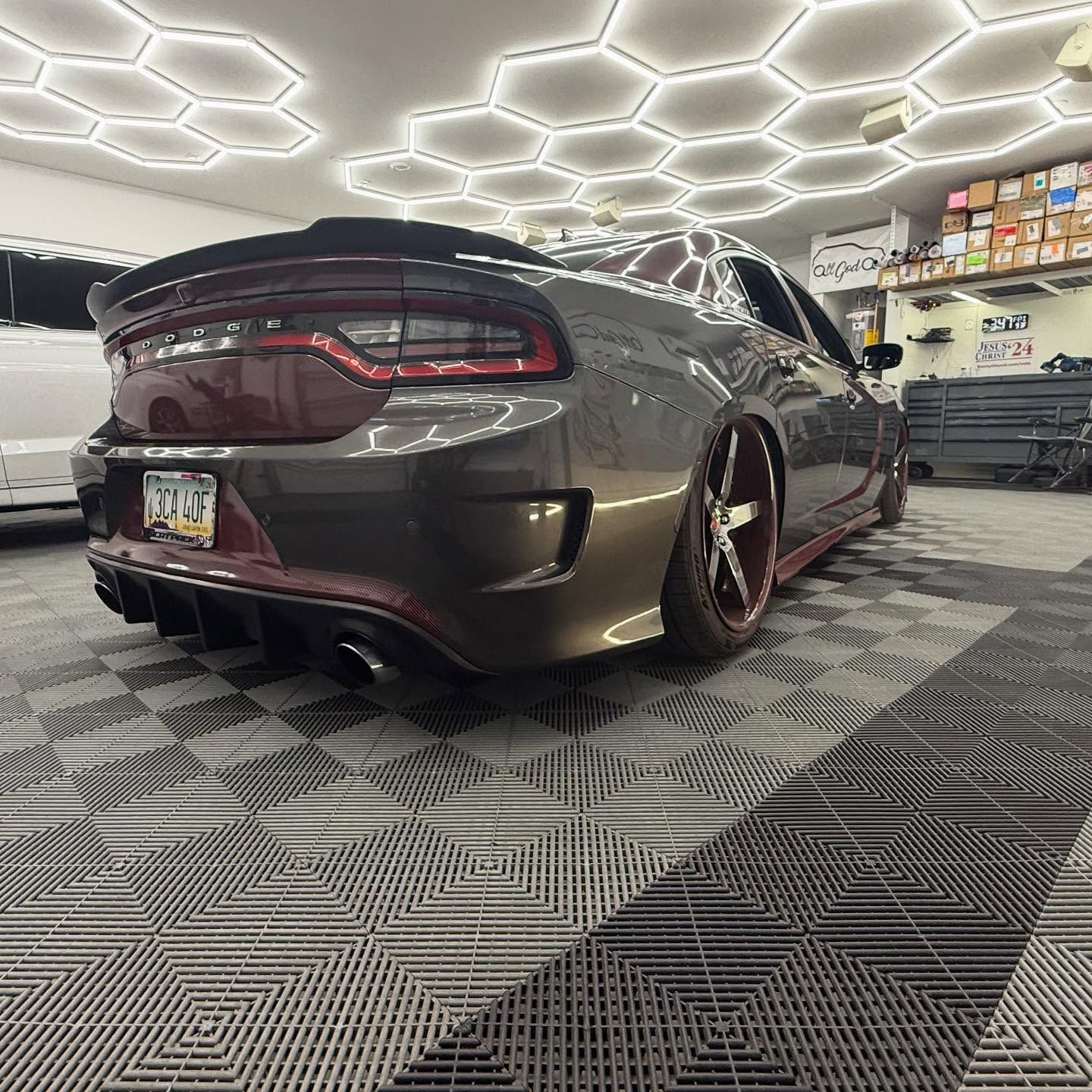
In the world of automotive customization, subtle enhancements can transform a vehicle from ordinary to extraordinary. Headlight and taillight tinting has emerged as one of the most popular modifications among car enthusiasts, offering a unique combination of aesthetic appeal and functional benefits. Unlike bold body kits or expensive performance upgrades, lighting tints provide a sleek, aggressive look while maintaining the integrity of a vehicle’s lighting system. This trend is not merely about visual appeal; it reflects a growing understanding of how customization can enhance both style and driving experience.
Beyond its cosmetic allure, headlight and taillight tinting can offer practical advantages. Properly applied tints can reduce glare for oncoming traffic, enhance the vehicle’s nighttime presence, and even protect lights from minor scratches and UV damage. As automotive technology evolves, so does the demand for modifications that balance form and function. Drivers today are looking for enhancements that are not only visually striking but also safe, durable, and performance-conscious. In this context, exploring the nuances of light tinting offers valuable insights for anyone seeking a smart, stylish upgrade to their vehicle.
The Appeal of Headlight & Taillight Tinting
Transforming Vehicle Aesthetics
One of the most immediate reasons car owners turn to headlight and taillight tinting is the visual impact. A carefully chosen tint can add depth, sophistication, and a sense of cohesiveness to a vehicle’s exterior. Darkened headlights and taillights lend an aggressive, custom-built appearance, helping a car stand out on the road without the need for drastic modifications. Tinting can complement body wraps, paint protection films, or other styling upgrades, creating a unified and professional finish.
Popular Styles and Trends
Modern tint films come in a variety of shades, finishes, and patterns, offering almost limitless customization options. Smoky, carbon fiber, or smoked chrome tints allow drivers to achieve subtle elegance or bold contrast depending on personal preference. Current trends also emphasize reversible tints that maintain compliance with traffic regulations while providing aesthetic enhancement. The flexibility of these options means that even small changes in lighting appearance can significantly alter a vehicle’s overall style.
Practical Benefits of Tinting
Reducing Glare and Enhancing Visibility
While aesthetics are critical, tinting offers tangible functional advantages. High-quality tints can mitigate glare from other vehicles’ headlights, reducing eye strain during night driving. This can make long trips safer and more comfortable, particularly in urban environments with heavy traffic or rural roads with minimal street lighting. By diffusing intense beams, tints help create a more consistent and controlled light output, improving overall road visibility without compromising safety.
Protecting Lights from Damage
Tint films also serve as a protective layer against environmental hazards. UV exposure, road debris, and minor scratches can degrade headlight and taillight lenses over time, leading to discoloration, cracking, or reduced brightness. Applying a tint layer helps preserve the integrity of the lighting system, extending the lifespan of the components. This protective benefit can save vehicle owners money on future repairs or replacements while maintaining optimal light performance.
Enhancing Nighttime Road Presence
Tinting is not merely cosmetic—it can improve a vehicle’s visibility profile in specific contexts. Certain tints reduce reflective scatter while maintaining light output, which ensures that the vehicle remains noticeable to other drivers. This can enhance safety during inclement weather conditions or low-light situations, where clarity and road presence are essential.
Considerations Before Tinting
Legal Compliance
Before pursuing headlight or taillight tinting, it is essential to understand local regulations. Many states and countries have strict laws regarding permissible levels of light obstruction. Overly dark tints can result in citations or even failed vehicle inspections. Researching state-specific limits and choosing films with appropriate light transmission rates ensures compliance and prevents costly penalties.
Choosing the Right Materials
Not all tint films are created equal. Quality films are designed to resist fading, bubbling, and cracking, ensuring a long-lasting application. Premium options also feature heat resistance and anti-yellowing properties, preserving both appearance and functionality. Selecting a reputable brand and working with experienced installers ensures that the tint is applied evenly and adheres properly, preventing imperfections that could compromise light performance.
Professional Installation vs. DIY
While DIY tint kits are available, professional installation is recommended for optimal results. Professionals can account for vehicle-specific contours, adhesive quality, and precision trimming to avoid uneven edges or air bubbles. Additionally, certified installers can advise on the best tint shade for both aesthetics and performance, balancing compliance with style goals.
Maximizing the Impact of Your Tint
Complementary Vehicle Upgrades
Tinting can be integrated with other modifications for a cohesive vehicle upgrade. For instance, pairing headlight and taillight tints with a vehicle wrap or custom rims can elevate the car’s visual appeal dramatically. Coordinated color schemes, reflective accents, and complementary graphics help achieve a professional, show-quality finish every time. This approach allows car owners to make a statement without overcomplicating their modifications or sacrificing style.
Maintenance Tips
Proper maintenance ensures that tints retain their appearance and full functionality for years. Cleaning with non-abrasive solutions, avoiding harsh chemicals, and refraining from excessive pressure washing can prevent potential damage to the film. Regular inspections also help identify early signs of lifting, peeling, or discoloration, allowing for timely touch-ups and adjustments. Adhering to these practices extends the life of the tint and maintains consistent, reliable light performance under all conditions.
Real-World Scenarios
Consider a driver commuting on a rainy night in New England or a foggy evening in the Midwest region. A properly applied headlight tint can reduce reflective glare, making road lines, signs, and other vehicles more distinguishable even under poor visibility. Similarly, protective taillight tints help prevent minor scratches from loose gravel or parking lot mishaps, ensuring the lights remain clear, bright, and functional. These everyday scenarios highlight the dual benefits of both style and practical utility for drivers.
Challenges and Solutions
Balancing Darkness and Visibility
One of the main challenges of tinting is finding the perfect balance between darkness and sufficient light output. Excessive tinting can diminish the effectiveness of headlights or taillights, reducing overall safety for all road users. Expert installers use precise measurements and high-quality films to maintain legal brightness levels while still achieving the desired aesthetic appearance seamlessly.
Avoiding Film Degradation
Environmental factors, such as prolonged sun exposure, road debris, and weather fluctuations, can cause some tints to fade, yellow, or degrade over time. Investing in UV-resistant, high-durability films addresses this issue, maintaining consistent color, clarity, and performance over years. Professional-grade films also offer scratch resistance and flexibility, ensuring long-lasting functionality despite temperature extremes or occasional impacts.
Compatibility with Advanced Vehicle Systems
Modern vehicles often feature adaptive lighting, LED arrays, or sensors integrated directly with headlights and taillights. Tinting must be carefully selected to avoid interfering with these advanced technologies, ensuring full functionality. Experienced installers evaluate the vehicle’s electrical and optical systems carefully, guaranteeing that performance remains uncompromised. Proper planning ensures that tinting enhances rather than hinders all modern automotive lighting technologies.
Best Practices for a Successful Tint
Start with Clean Surfaces
The foundation of any successful tint installation is a meticulously cleaned and prepped surface. Dirt, dust, oils, or residues can create bubbles or lift points, compromising the smoothness and durability of the finish. Professional preparation includes thorough cleaning and, in some cases, light sanding to ensure maximum adhesion and long-lasting results for every installation.
Gradual Layering for Optimal Control
When applying tint films, gradual layering allows installers to carefully manage opacity and avoid unevenness across the lens surfaces. Some films can be stacked for darker, bolder effects, while lighter films may require careful trimming, alignment, and smoothing. Precision during this stage determines the overall visual quality, durability, and longevity of the tint on all types of vehicles.
Routine Inspections and Adjustments
Even the best installation benefits from regular evaluation and inspection over time. Checking for edge lifting, air bubbles, fading, or minor peeling ensures that any issues are addressed promptly and efficiently. Maintaining periodic contact with a trusted installer for routine adjustments can prevent long-term problems, prolong the life of the tint, and maintain consistent lighting performance year after year.
Your Trusted Authority for Custom Vehicle Lighting Upgrades
Headlight and taillight tinting represents a perfect marriage of form and function. By enhancing aesthetics, reducing glare, and protecting lighting systems, tinting offers car owners both style and practical advantages. Understanding the nuances of materials, legal compliance, installation techniques, and maintenance ensures that the upgrade achieves maximum benefit without compromising safety or performance. In a world where vehicle customization is as much about personal expression as it is about functionality, lighting tints provide an elegant, versatile solution.
At All God Auto, based in Queen Creek, Arizona, we specialize in custom vehicle wraps and graphics with over nine years of experience. Our team combines technical expertise with creative precision, ensuring that every tint installation enhances both the look and performance of your vehicle. From selecting the right shade to flawless professional application, we are committed to quality, compliance, and customer satisfaction. When you choose All God Auto, you are partnering with a trusted authority dedicated to delivering automotive upgrades that are stylish, functional, and long-lasting.